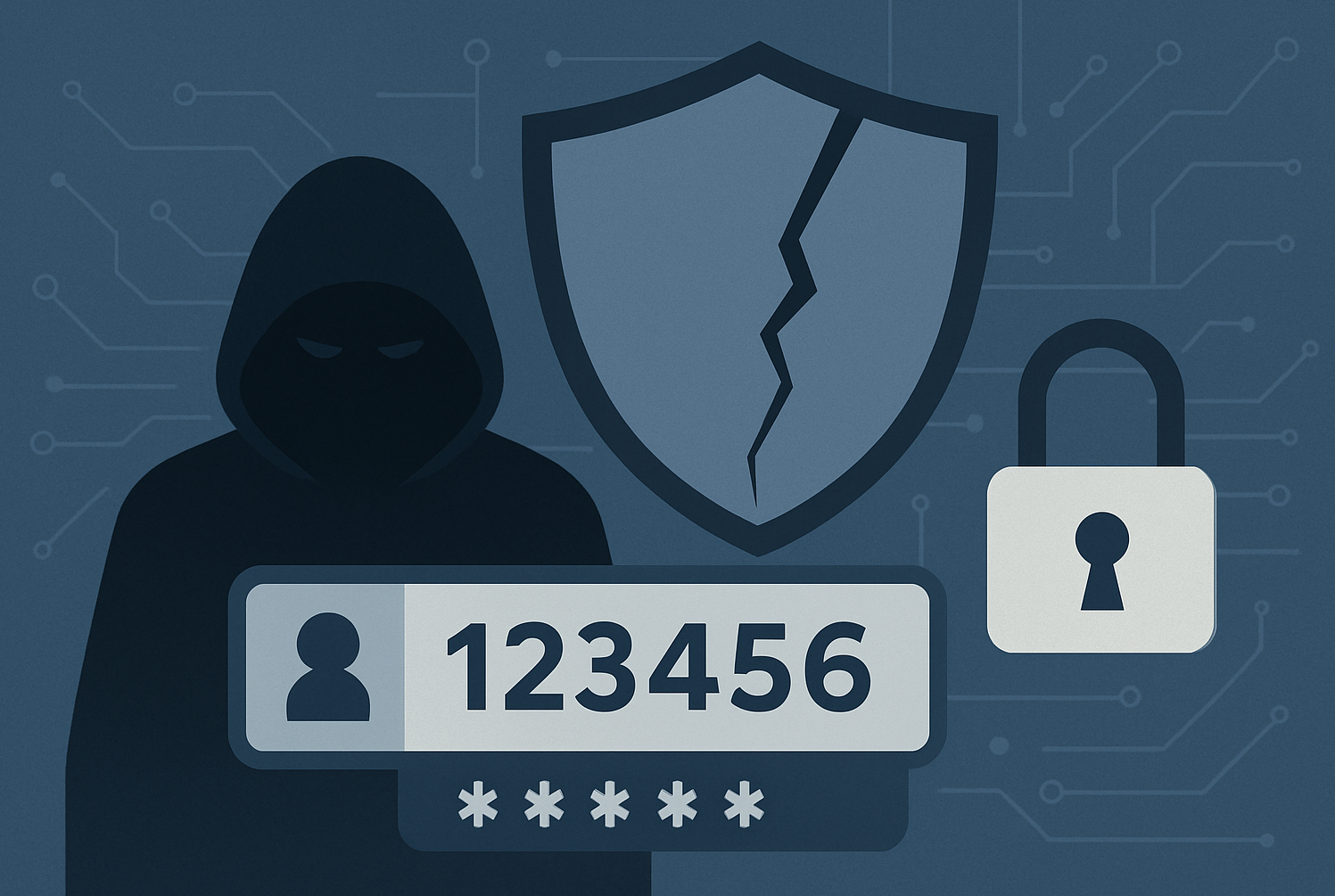
The quiet password problems that create the biggest security risks
When people talk about cybersecurity, they often jump straight to advanced tools and technical solutions. In reality, one of the most common reasons businesses face security issues is much simpler. Weak passwords or passwords that are not managed properly. It sounds basic, but this basic step is responsible for a large number of breaches I see in small and mid sized firms.
Most people reuse the same password everywhere. They use it for email, cloud apps, personal accounts, and even banking. When one service gets compromised, attackers try that same password everywhere else. This is why password reuse is so risky. You may think you are safe because your system is secure, but you are only as safe as the weakest outside account that uses the same password.
Another issue is old passwords that stay active even after employees leave. I have seen firms where accounts belonging to former staff remain active for months. That is an open door waiting for trouble. Even if you trust the person, the account can still be attacked from the outside.
There is also the challenge of shared passwords. Teams pass them around because it feels convenient. But when something goes wrong, there is no way to trace who accessed what. It creates confusion and risk. Convenience is useful, but not when it weakens your control over your own systems.
The solution does not require heavy investment. It requires discipline and a clear process. Begin by using a password manager. This removes the need to remember credentials and stops people from reusing weak passwords across multiple sites. The next step is to enable multi factor authentication on all important accounts. This stops ninety percent of access related attacks, even if a password is leaked.
You should also set rules for how passwords are handled when staff join or leave. Make sure accounts are created cleanly with the right access, and removed immediately when someone exits the company. A simple checklist is enough to avoid big gaps later.
When you apply these basic steps, you eliminate a surprising amount of risk. People often think advanced attackers rely on complicated techniques, but in truth, they usually start with the easiest path. Weak passwords, reused passwords, and unmanaged accounts give them that path.
Takeaway: Spend a few minutes this week reviewing who has access to your systems and whether those passwords are strong, unique, and protected by multi factor authentication. It is one of the simplest ways to strengthen your security without spending anything extra.